Young-Yun Choi
Young-Yun Choi
Ph.D. Candidate, Department of Economics
Georgia State University
Research Fields: Development Economics, Urban Economics, Economic History

I am an applied microeconomist. My research examines the forces that shape economic development and persistent inequality through three complementary strands: (i) information and technology, (ii) institutions and place-based policies, and (iii) economic measurement using satellite imagery, geospatial data, and artificial intelligence.

Across these strands, I construct the data needed for credible empirical analysis in settings where conventional data are limited or unavailable, expanding the range of questions that can be studied. Each research strand has received external funding: the Smith Richardson Foundation (SRF) for information and technology, the Economic History Association (EHA) for institutions, and the Korea Foundation for Advanced Studies (KFAS) Social Innovation Research Award for economic measurement.
Contact: youngyun.ch [at] gmail.com   [LinkedIn] [Google Scholar]
Research
Working Papers
Information Frictions and the Expansion of Markets: Evidence from Mobile Phone Access in North Korea
Job Market Paper  | 
Abstract

Do information frictions limit the extent of markets? Existing evidence shows that lower information costs improve market efficiency, but whether they also expand market activity remains far less clear. I examine this question using the staggered rollout of North Korea's first public mobile-phone network, which sharply reduced information costs in an economy where restrictions on mobility, media, and communication had long confined most information to people's own localities. A sequential search model illustrates how lower search costs allow producers to search longer and reject low offers, raising the expected net selling price and thereby strengthening incentives to produce for the market. Using satellite imagery, I reconstruct the installation timing of more than 1,100 cell towers and measure two dimensions of market activity: agricultural activity, proxied by a vegetation index, and exchange, captured by the physical footprints of 536 marketplaces identified through deep learning. Consistent with the model's incentive mechanism, higher levels of mobile-phone access increased agricultural activity on sloping land, where households can cultivate private plots and retain the returns. Each additional cell tower also expanded marketplace area by the equivalent of about 198 stalls, almost entirely through the emergence of new marketplaces near existing ones. These effects were larger in counties with rail stations and in those closer to cities, suggesting that mobile connectivity complements physical connectivity. These findings show that easier access to information can expand markets and stimulate local economic activity, even under severe institutional constraints.

Measuring Market Activity with AI and High-Resolution Satellite Imagery: Evidence from North Korea
Under Review  |  (with Jeasurk Yang, Sumin Lee, and Meeyoung Cha)
Media coverage: JoongAng Ilbo [English] [Korean]  |  Chosun Ilbo [English] [Korean]
When Support Is Selective: Targeted Training, Stipends and Volunteer Attrition
Under Review  |  (with Alberto Chong)
Work in Progress
How Does Place Shape Inequality? Long-Run Effects of Childhood Exposure to Historical Residential Regulations
Housing Conditions and Public Health: Evidence from Early 20th-Century U.S. Cities
(with Lauren Hoehn-Velasco and James Feigenbaum)
Mobile Connectivity and Market Price Dispersion
Measurement Error in Satellite-Derived Measures of Economic Activity
Spatial Barriers and Economic Opportunity
(with Kenji Moreno)
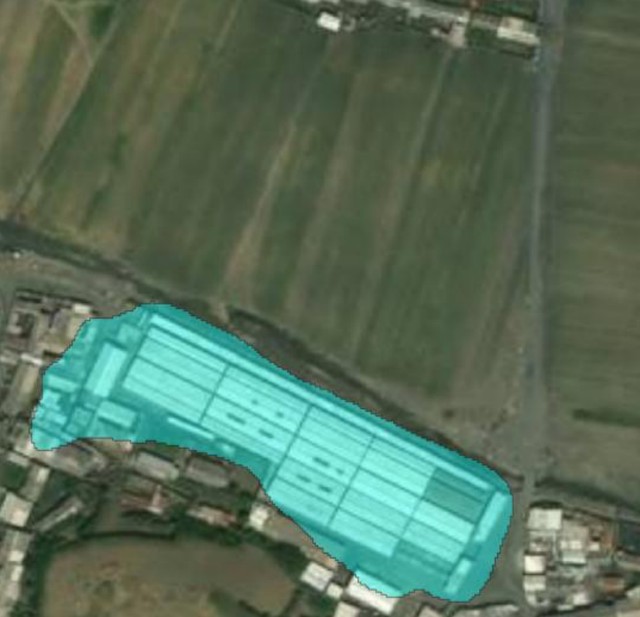
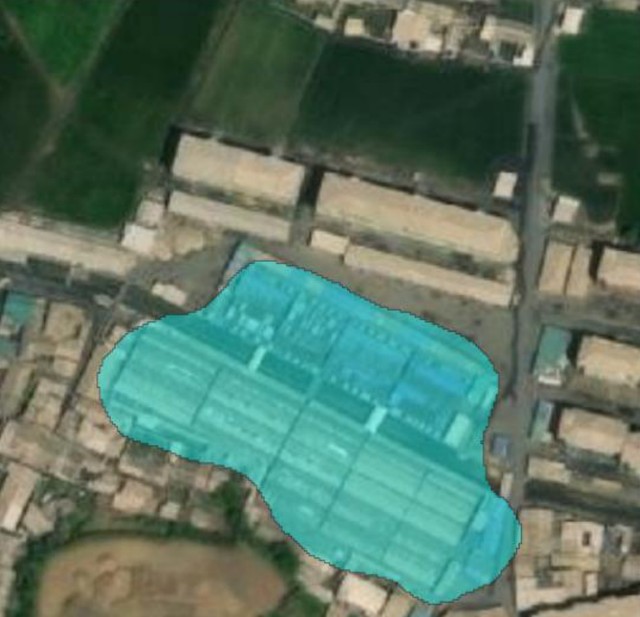
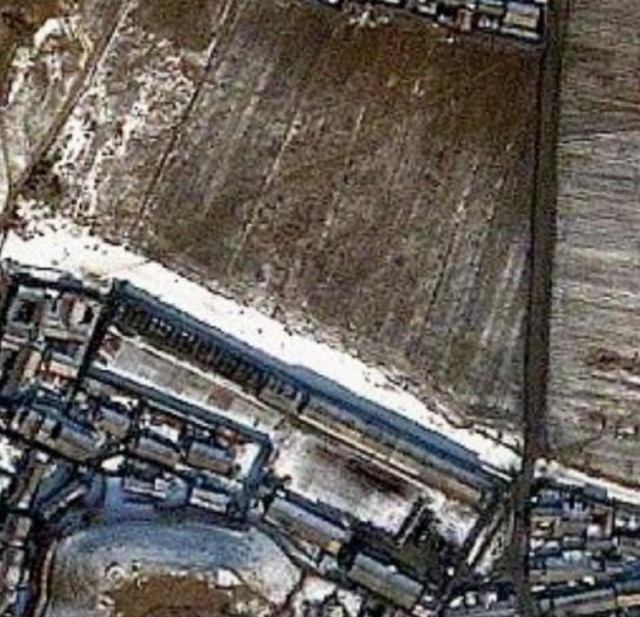
Satellite image of the site in 2014, before the marketplace
2014 · 0 m²
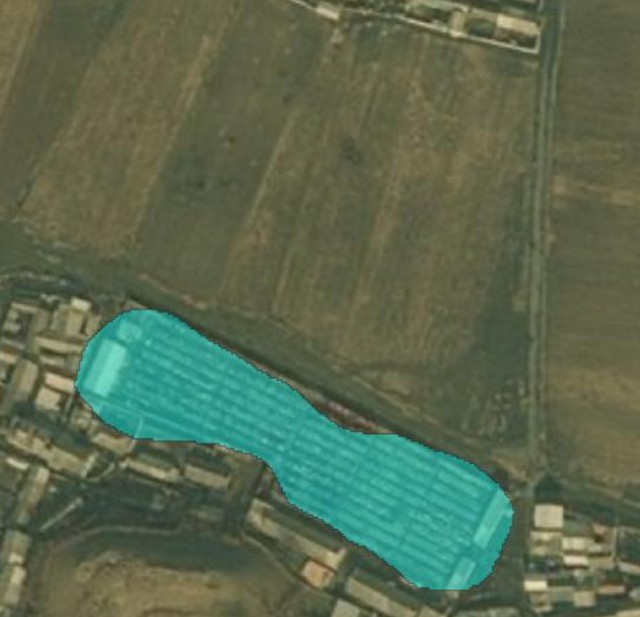
Marketplace detected in 2015
2015 · 6,585 m²
Marketplace detected in 2016
2016 · 8,801 m²
Marketplace detected in 2024
2024 · 11,942 m²
Emergence and expansion of a marketplace in North Korea, measured using AI and high-resolution satellite imagery (Yaksu Market).
CV
About

My research is motivated by both personal and professional experiences.

As a South Korean high school student, I had the opportunity to visit North Korea after winning a trip on a television quiz show (KBS's The Golden Bell Challenge, a nationally televised academic quiz competition). Seeing firsthand the sobering differences in living standards between the two Koreas led me to question why, despite their shared history, culture, and ethnicity, they had followed such divergent development paths. It also made me realize how profoundly circumstances beyond our control, including where we are born and live, shape our economic opportunities. That early experience has since evolved into a broader research interest in how institutions, information, and technology shape economic outcomes across diverse settings, drawing on both contemporary and historical evidence.

My professional experience informed how I approach these questions. Before pursuing my Ph.D., I conducted policy research at the Korea Development Institute (KDI), South Korea's leading economic think tank, and at international organizations such as the UN Food and Agriculture Organization (FAO). There, I often saw consequential policy decisions that had to be made with limited reliable evidence—a gap that hindered policymakers' ability to understand socioeconomic conditions and design consistent, evidence-based policies. My long-term goal is to contribute to narrowing this gap through rigorous empirical research that informs policymaking in data-scarce settings and helps expand economic opportunity.

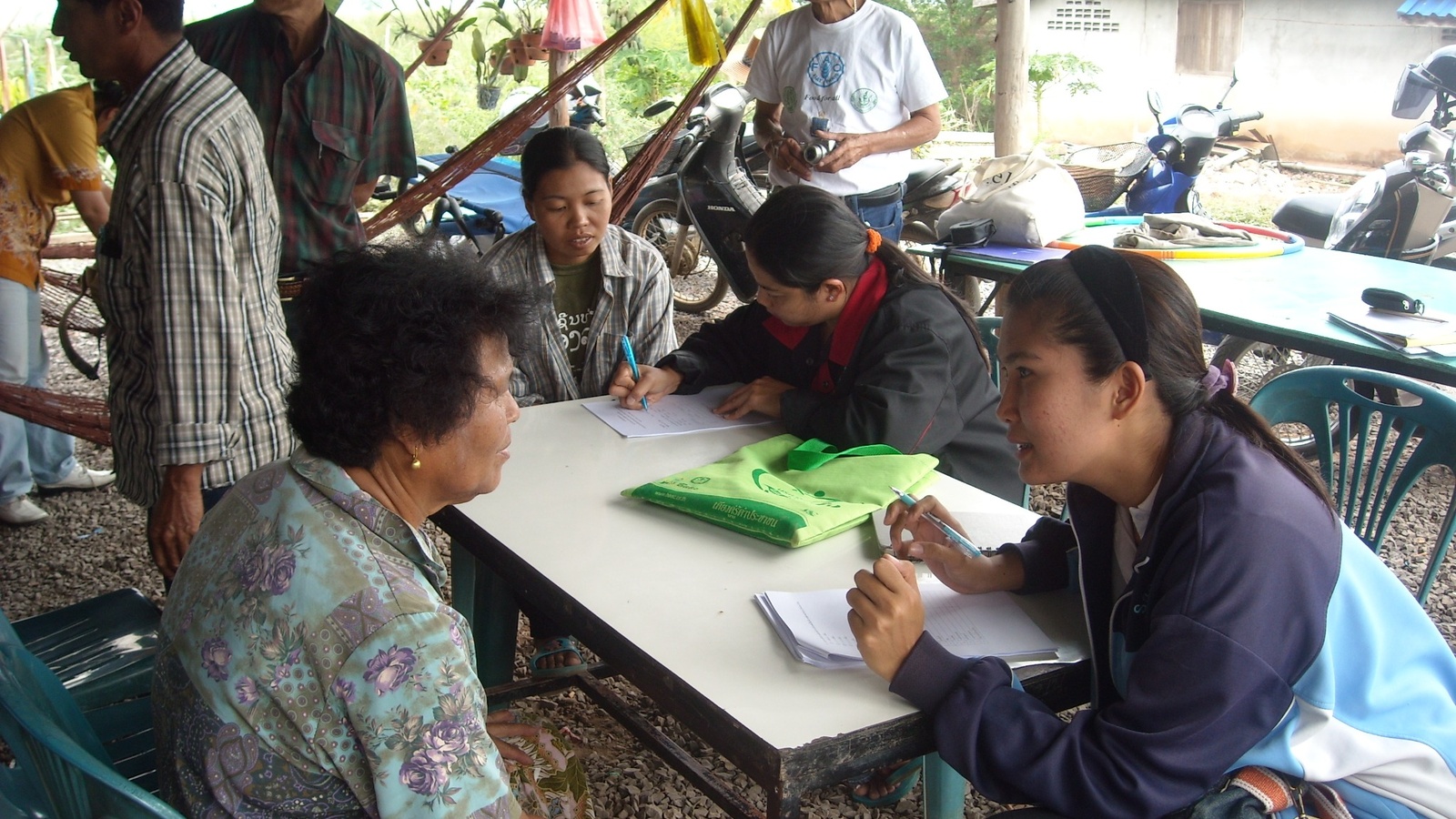
Fieldwork, Thailand
Fieldwork, Thailand
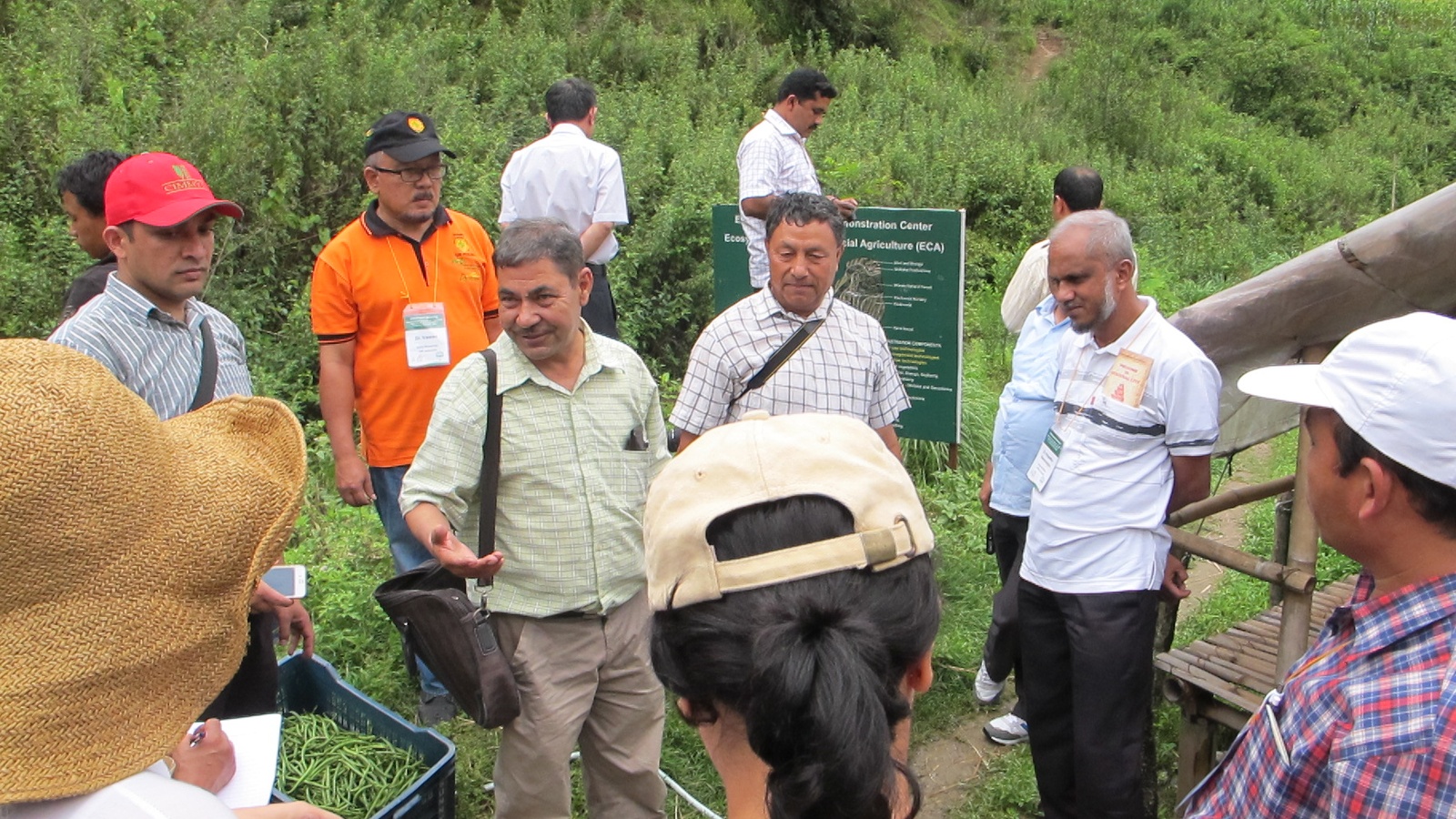
Fieldwork, Nepal
Fieldwork, Nepal
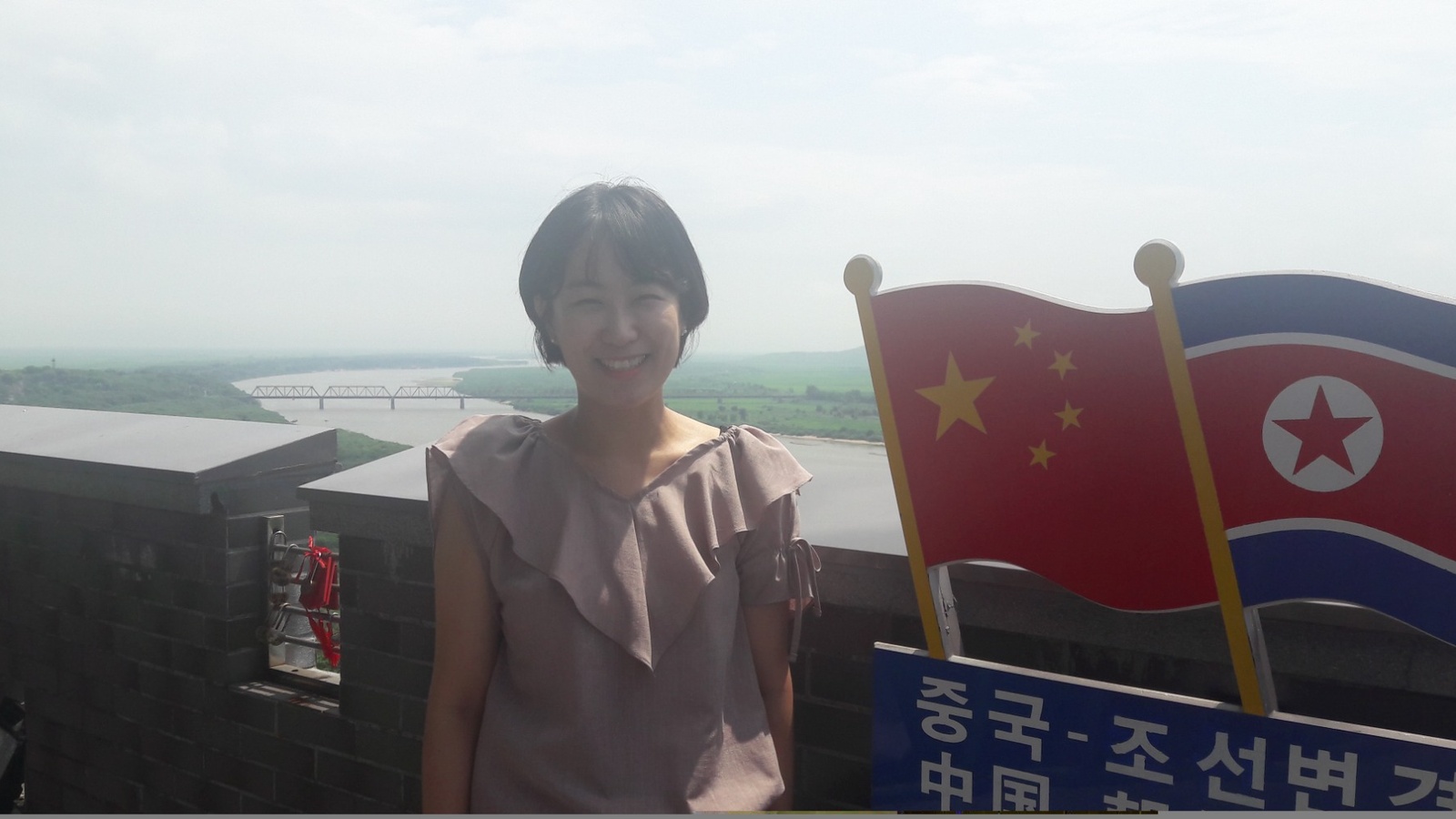
Fieldwork, China–North Korea border